Knowing how to sell on Takealot involves more than opening a seller account.
Before your first order, you need products you can supply reliably, prices that cover your costs, accurate listings and a workable fulfilment setup.
This guide takes you through those decisions in order, from preparing your application to managing your first orders. Start with a small product range so you can check your actual costs and workload before buying more stock.
1. How to Become a Takealot Seller
Check the Takealot Seller Requirements
Start at Takealot’s official seller application page. Prepare your business and contact details, banking information, and a clear description of the products you intend to sell. The registration stage requires supporting information and paperwork; follow the current checklist supplied for your application rather than relying on an old document list.
As a practical preparation step, keep these records together:
Identity and business documents relevant to your trading structure.
Bank account details and any requested verification documents.
Supplier invoices and brand authorisation where applicable.
A product spreadsheet with costs, quantities and supplier lead times.
Check that names and account details are consistent across your records. If your trading name differs from your legal business name, make the distinction clear when completing the relevant fields.
Before ordering stock, confirm whether your intended category requires additional approval or compliance documents.
Complete Your Seller Application and Onboarding
Takealot describes its process as application, approval, registration and onboarding before products go live. Its public seller page says applicants should hear back within 10 business days. Treat this as an initial response timeframe, rather than a guarantee that your store will be ready to trade within that period.
Use the waiting period to prepare your product data and cost calculations. Once you receive access, complete the required onboarding and review the instructions for your chosen stock model.
Avoid committing to a launch date until your account, listings and fulfilment arrangements are ready.
2. What to Sell on Takealot and How to Price It
Choose Products You Can Supply Reliably
A manageable first range might contain five to ten products with dependable suppliers and straightforward packaging. This makes it easier to identify listing problems, measure demand and understand replenishment costs.
For each candidate product, inspect comparable Takealot listings. Compare the exact specification, pack quantity, selling price and delivery availability. Read customer reviews for recurring complaints such as unclear sizing, missing accessories or weak packaging.
Build a short comparison sheet:
Check | What to record |
|---|---|
Product match | Brand, model, size, colour and pack quantity |
Competition | Prices and availability of comparable offers |
Supply | Purchase cost, minimum order and replenishment time |
Handling | Packed dimensions, weight and damage risk |
Eligibility | Any category restrictions or required documentation |
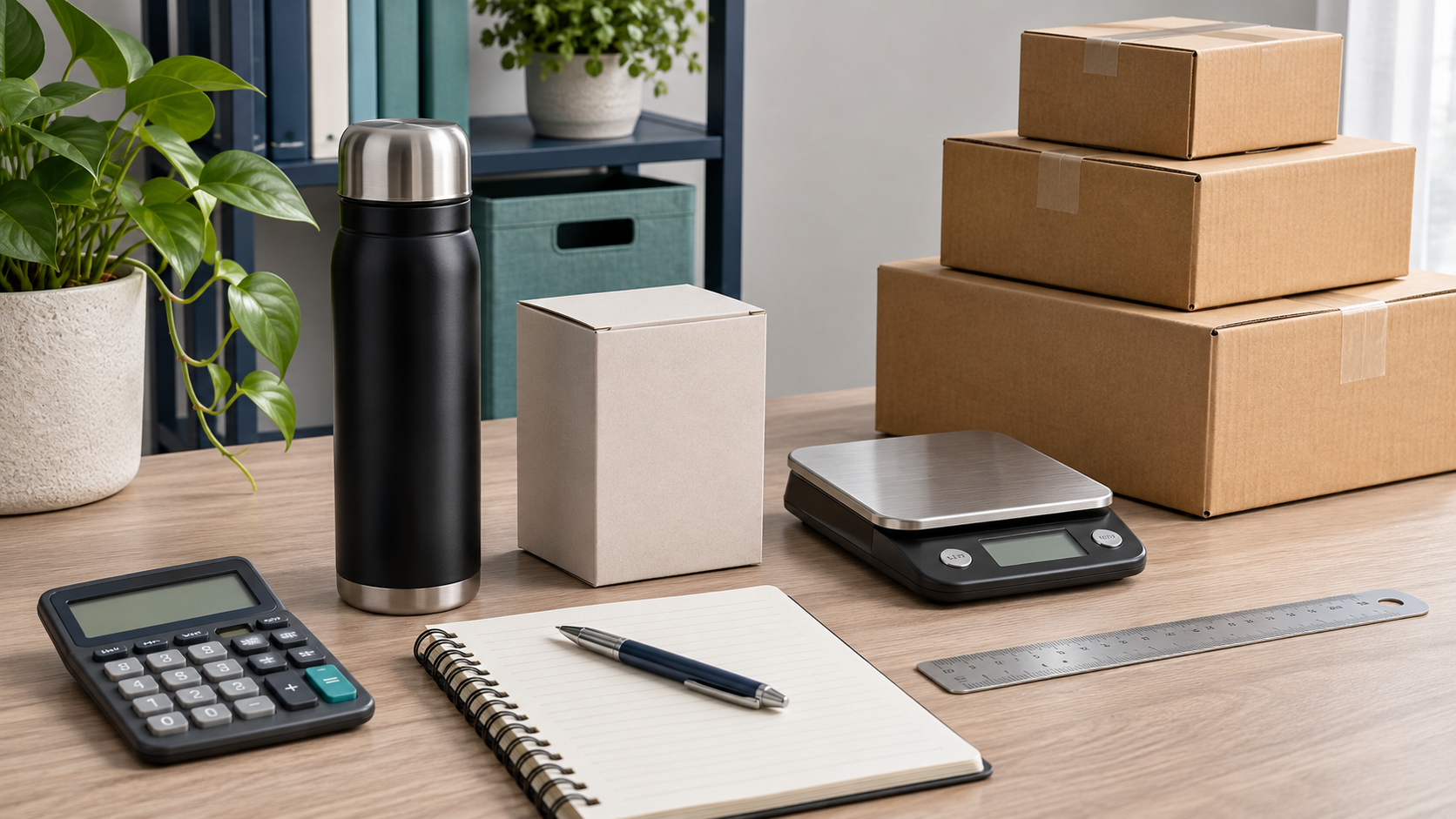
Do not assume a low supplier price means a profitable opportunity. A bulky product can become expensive to handle, while a cheap item may leave little margin after marketplace charges.
Revenuealot’s Takealot research tools can support this comparison. Its website lists Competitor Research for comparing product performance and pricing trends, and Black Box for filtering products by criteria including price, ratings and reviews. Use these insights to build a shortlist, then verify supplier costs and product suitability yourself.
Understand Takealot Seller Fees
Takealot currently lists a monthly subscription of R400 excluding VAT, alongside success, fulfilment and storage fees. Storage has a free threshold, with charges applying to overstocked units at its distribution centres. Check the current pricing and account-specific guidance before finalising your budget.
Keep fixed and per-order costs separate in your spreadsheet. The subscription is a monthly expense, so its cost per sale depends on your order volume. Packaging and transport to the distribution centre also need to be included in your own calculations.
Use the correct packed dimensions and weight when checking applicable charges. Measuring the unpackaged product can understate the space your shipment actually occupies.
Calculate Your Margin Before Listing
The following example uses illustrative figures, not Takealot’s published fee rates. All amounts use a consistent VAT basis.
Item | Amount per unit |
|---|---|
Selling price | R300 |
Product purchase cost | −R120 |
Assumed success fee | −R36 |
Assumed fulfilment charge | −R30 |
Packaging and inbound transport | −R12 |
Allowance for returns and damage | −R9 |
Contribution before fixed costs and advertising | R93 |
That R93 still needs to cover fixed expenses and any advertising. If an order costs R20 in advertising, its remaining contribution falls to R73 before fixed costs.
Repeat the calculation at a lower selling price before joining a promotion. A discount reduces revenue immediately, while your purchase and packaging costs may stay unchanged.
Set a minimum acceptable price for each product. If competing offers fall below it, reassess your sourcing or product choice before matching them.
3. How to List Products and Manage Your First Orders
Prepare Accurate Takealot Product Listings
Search the catalogue for your exact product before submitting a new listing. Check the brand, model, barcode, variant and pack quantity. A two-pack should not be attached to a listing for a single unit, even when the photographs look similar.
If you need to submit a new product, follow the current category template and image requirements in your Seller Portal.
Prepare the following information:
A clear title containing the brand, product type and defining specification.
Images showing the actual item and included accessories.
Accurate dimensions, materials, compatibility and pack contents.
The required product identifiers and barcode information.
Relevant warranty and safety information.
For example, “Stainless Steel Vacuum Flask 750 ml Black” gives shoppers more useful information than “Premium Everyday Flask”.
Takealot’s platform terms place responsibility on sellers for accurate product information and stock availability. Check both before activating an offer.
Choose Your Fulfilment Setup and Prepare Stock
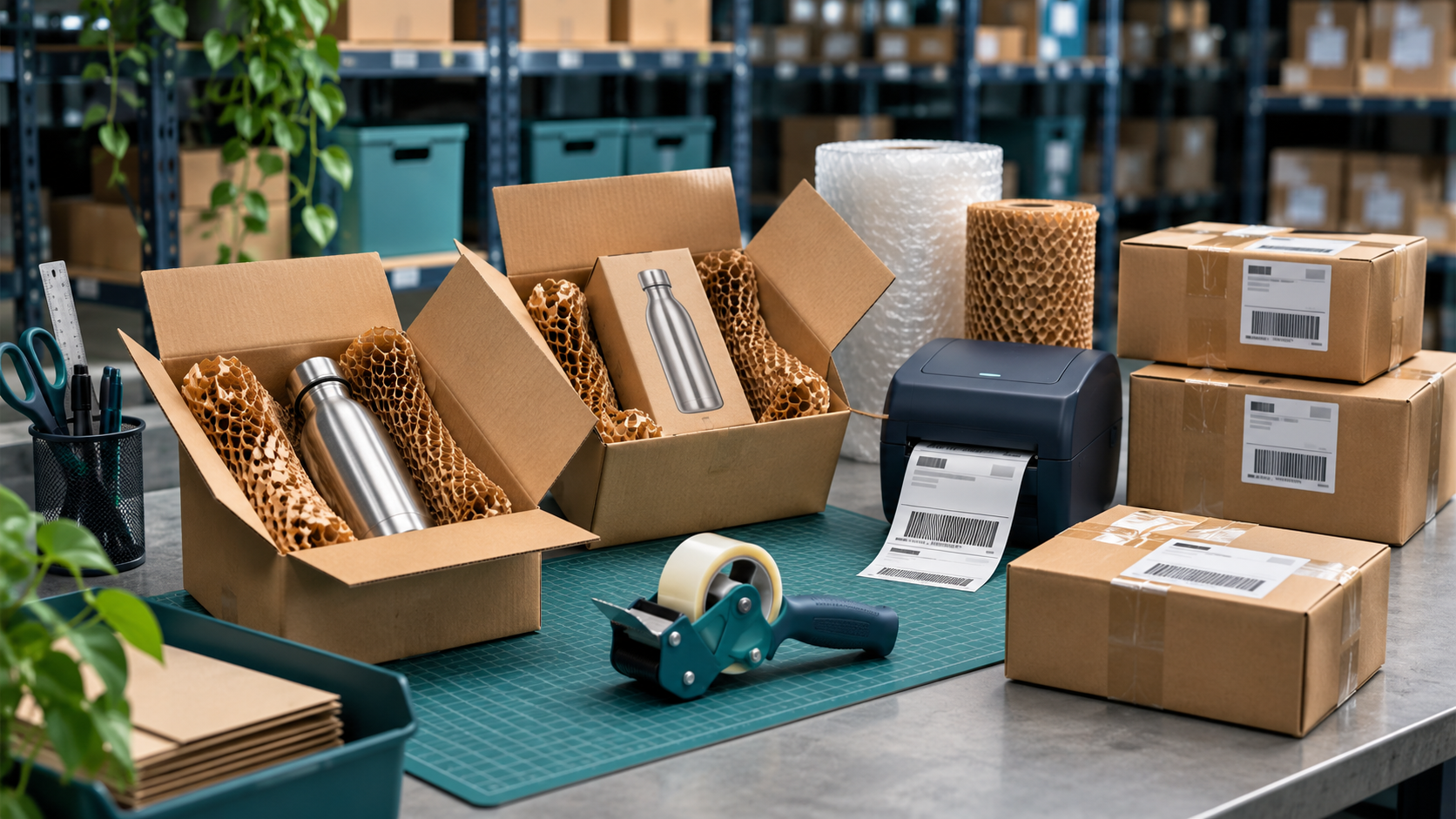
Two common stock arrangements are holding inventory at Takealot distribution centres and selling on lead time. With lead-time selling, you retain stock until an order triggers the required fulfilment process; you still need to follow Takealot’s instructions for supplying the order.
Before preparing a shipment, check your current account instructions for booking, packaging, labels, quantities and delivery deadlines.
For an initial warehouse shipment, base the quantity on a conservative sales estimate and your replenishment time. For example, if you expect one sale daily and replenishment takes ten days, begin your planning with those ten days of demand, then add a modest buffer. This is a planning example, not a Takealot stocking rule.
For lead-time offers, advertise only stock you can access and dispatch within the required window.
Build a Simple Daily Seller Routine
Check orders and fulfilment deadlines first each morning. Then reconcile available quantities, especially if the same stock also sells through your website or physical shop.
Review returns by reason. Repeated compatibility complaints may indicate missing listing information; repeated transit damage may point to packaging problems.
Revenuealot’s Product Analytics supports monitoring product sales, inventory, ratings, reviews and advertising performance. A practical use is to filter for products with declining sales or increasing returns, then investigate their listings, availability and costs before changing prices.
Once a week, compare your original margin estimate with actual charges and returns. Use that evidence to decide which products to replenish.
FAQs
Can I Sell on Takealot Without a Registered Company?
Check the current application options for your trading structure directly with Takealot. Confirm the required identity, banking and business records before assuming that a particular structure is eligible.
How Much Does It Cost to Sell on Takealot?
Budget for the monthly subscription, applicable marketplace charges, stock, packaging and inbound transport. Calculate costs per product rather than applying one assumed fee percentage to your entire range.
How Long Does Takealot Seller Approval Take?
Takealot lists an initial response within 10 business days. Registration, onboarding and getting products ready can take additional time.
Do I Need Barcodes to Sell on Takealot?
Check the identifier requirements for your product and category before purchasing barcodes. An existing catalogue product may already have an identifier; do not create a conflicting one.
Can I Sell Without Storing Stock at Takealot?
Lead-time selling can allow you to retain inventory until an order arrives, subject to your account’s available options and fulfilment requirements. Confirm those conditions during onboarding.